
A resident hands back the keys on the first. The unit sits empty for eleven days before anyone can show it. Repairs took three days and paint took two. The other six went to scheduling, waiting, and a turnover cleaning crew that came once and had to come back. On a unit renting at eighteen hundred a month, those eleven days cost you about six hundred and sixty dollars in rent. The repairs were necessary. Most of the delay was not, and none of it showed up on a bill anyone reviewed.
The quick version: Turnover cleaning returns a vacated apartment to showing condition. It runs after repairs and paint, before photos and the first tour. It is not a deep clean and it is not a routine clean. It has one right slot in the make-ready sequence, and putting it anywhere else is the top reason a unit sits empty longer than it should. In pre-1978 buildings it also carries a federal rule most checklists skip.
What Turnover Cleaning Is, and What It Is Not

Turnover cleaning is the clean you run between residents to bring a unit back to move-in shape. It happens after repairs and paint wrap up, and before you shoot photos or show the unit. You may also hear it called a make-ready clean or a unit turn.
Here is why the naming matters. Three services share overlapping labels, they cost different amounts, and ordering the wrong one means paying twice.
| Service type | When it happens | What it covers |
| Routine cleaning | During occupancy, on a schedule | Common areas and shared spaces while residents live there |
| Turnover cleaning | Between residents, after repairs | Full unit interior brought back to showing condition |
| Deep cleaning | As needed, occupied or vacant | Backlog work: buildup, neglected surfaces, restoration-level detail |
The line that matters most sits between turnover and deep cleaning. A turn assumes someone kept the unit up during the tenancy and it just needs a reset. A deep clean assumes nobody did. Order a turn on a unit that needs a deep clean and the crew runs out of scope halfway through, then a second bill lands that nobody budgeted.
You may also like: How to Clean Walls: The Paint Finish Decides Everything
You can tell which one you have in about ninety seconds. Check these four spots during the move-out walk:
- The oven interior. Baked-on residue that predates the outgoing resident
- The top of the fridge. A dust layer thick enough to leave a mark
- Shower grout. Discoloration that stays put after scrubbing
- Sliding door tracks. Packed grit rather than loose crumbs
If all four are just dirty, you have a turn. If they show buildup that sat through more than one tenancy, you have a deep clean, and pricing it as a turn will not change that.
One more label worth knowing, because it gets mixed in with the other three. A punch clean follows construction or a gut renovation, not a tenancy. It handles drywall dust, sticker residue, and paint overspray rather than household grime.
If the unit was gutted between residents, it needs something closer to a punch clean. Price it as a turn and the number falls short by a wide margin.
Takeaway: Turnover cleaning resets a unit somebody kept up. Deep cleaning rescues one nobody did. Decide which you have on the walk-through, not once the crew is standing in the kitchen.
Vacancy Days Are the Real Cost, Not the Cleaning Invoice

What the crew charges is not what the turn costs. What the unit loses while it waits is. An empty apartment earns nothing, and every day of the turn is a day it earns nothing.
Let us break it down. Divide the monthly rent by thirty and you get the daily cost of an empty unit. At eighteen hundred a month, that is sixty dollars a day. At twenty-four hundred, eighty.
Run four days long and that is between two hundred forty and three hundred twenty dollars in rent nobody will ever bill. That usually beats the entire cleaning invoice.
That flips how you should judge a bid. A crew that charges less but needs two visits, because the job was scoped wrong, costs more than one that charges more and finishes once. Speed and completeness beat rate. Bid turnover cleaning on price alone and you will find that out over a leasing season rather than on one unit.
Three things stall turns more than anything else. Scheduling the clean before repairs finish, which buys a second visit. Writing the scope loosely, so appliance interiors or blinds turn out not to be included. Or skipping the move-out walk, so nobody learns the unit needs a deep clean until the crew is already there.
Seasonality piles on. Lease end dates bunch up rather than spread evenly, so turns arrive in waves. A portfolio that sees a handful of turns in a slow month can see several times that at peak.
Book turn season early and the timeline holds. Call when the keys land and you wait in line with everyone else.
Our turnover cleaning service gets scoped by unit type and condition for that reason, so the crew that shows up already knows whether it walked into a reset or a backlog.
Turnover cleaning also sits upstream of the deposit conversation. A documented move-out walk separates normal wear from damage before anyone cleans anything. That line is what makes a deposit deduction hold up. Clean first and document second and the record weakens.
Takeaway: Divide your monthly rent by thirty. That number is what each extra turn day costs, and it usually beats the gap between two cleaning bids.
The Sequence That Keeps a Turn on Schedule
Turnover cleaning belongs in one slot: after repairs and paint, before photos and showings. Move it earlier and that is the most common scheduling mistake in multifamily.
The reason is physical, not procedural. Painters throw dust when they sand and patch. Maintenance leaves debris when it swaps fixtures, patches drywall, or pulls flooring. Clean before those trades finish and they undo the work, so it all happens again before anything can be photographed.
Here is the order that holds, with real day counts for a standard one-bedroom.
| Day | Stage | Why it sits here |
| 0 | Move-out walk-through | Sets the turn-vs-deep-clean call and documents damage for the deposit |
| 1 to 3 | Repairs, paint, flooring | Every dust-producing trade finishes before anyone cleans |
| 4 | Turnover clean | Typically 4 to 6 hours for a 1BR with a two-person crew |
| 5 | Photos and first showing | The unit peaks the day your crew walks out |
Day zero carries more weight than its spot suggests, because that is where you set the turnover cleaning scope. Skip the walk and the unit gets scoped wrong, then that surfaces on day four with the crew already on site.
Put flooring in the day one to three block, never after cleaning. Schedule it once the crew leaves and that buys a full re-clean. That is the second most common sequencing mistake.
You may also like: What Does Proper Baseboard Cleaning Really Involve?
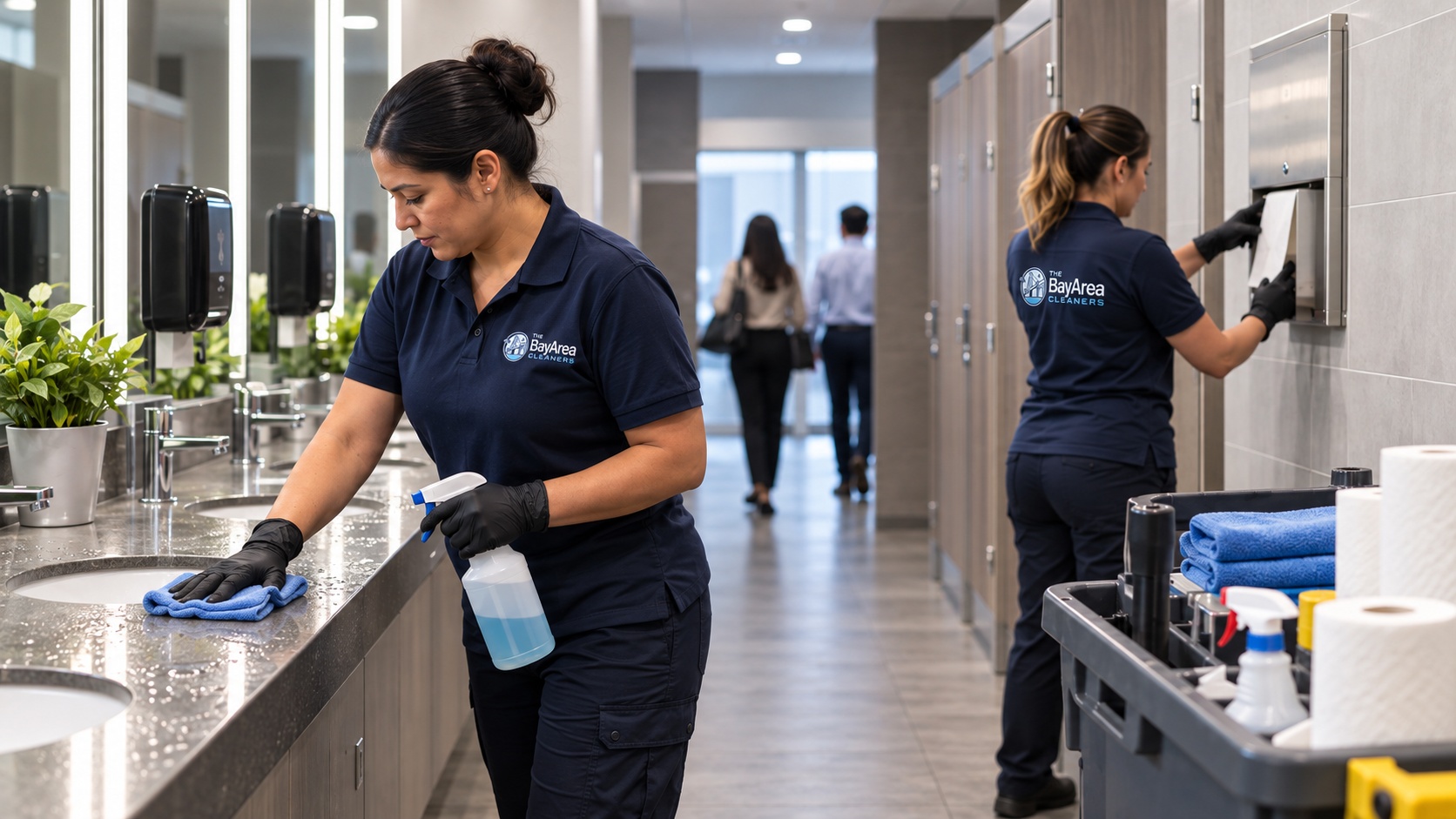
One thing sits outside the unit but inside your timeline. A prospect walks the lobby, the corridor, and the stairwell before reaching the door. A spotless apartment at the end of a scuffed hallway reads worse than the same unit reached through a clean corridor. That is why apartment common area cleaning on a steady schedule protects the leasing effort as much as the turn does.
Two moves compress that timeline further. Book the cleaning crew at the move-out walk rather than after repairs finish, because crews fill up, and waiting for a slot often takes longer than the clean itself. And where the layout allows, run flooring and paint at the same time instead of back to back.
One caveat on the day counts. They assume the trades show up when they said they would, and sometimes they will not. Build in one buffer day rather than squeezing every stage. One missed repair slot pushes everything behind it, and your cleaning crew is usually the piece that cannot just slide to tomorrow morning.
Takeaway: Walk day zero, repairs days one to three, clean day four, photos day five. Clean before the trades finish and the job happens twice.
The Federal Rule Most Turnover Checklists Leave Out
If the building went up before 1978, turnover work that disturbs paint falls under a federal lead-safety rule. Most turnover checklists never mention it.
The EPA’s Renovation, Repair and Painting Rule covers firms that renovate for pay in homes, apartments, and child-occupied facilities built before 1978. That covers a large share of Bay Area multifamily stock. The rule reaches into the turn, because patching drywall, scraping, and repainting all disturb the paint already there.
Here is what it asks for:
- The firm must be certified and its workers trained in lead-safe practices
- Notice first. Occupants get the EPA pamphlet Renovate Right, and the firm documents that they did
- The work area gets sealed so dust and debris stay inside
- Tool limits. No power tools without HEPA exhaust control, and no open-flame burning
- A thorough cleanup followed by a check, not just a cleanup
- Keep them three years, including training certificates and proof of the pamphlet
That last check is the one that touches cleaning directly. A cleanup that happened but nobody verified does not satisfy the rule, and that gap opens easily when the painter and the cleaning crew report to different people.
There is a second layer if the property takes federal assistance. HUD asks for compliance with its own Lead Safe Housing Rule in target housing it supports, and that sits on top of the EPA rule rather than replacing it.
None of this turns your cleaning into a regulated activity. Cleaning paint dust is not the same as disturbing paint.
It does mean the sequence carries a compliance angle in older buildings. Treat the paint work and the clean as unrelated tasks and you can end up with a check nobody ran. Worth a call to your painter before turn season, not during it.
One practical note if you manage older stock. The rule turns on how old the building is, not how old the paint is. A unit repainted five times since 1990 still sits inside a pre-1978 structure, and the rule follows the structure. Confirm the build year once, write it in the property file, and you stop relitigating it every turn.
Takeaway: In pre-1978 buildings, the paint work during a turn triggers federal lead-safe rules, including a check after the cleanup. Confirm the painter is certified before turn season starts.
What Separates a Pass From a Callback
Units fail the final walk on details, not on the obvious surfaces. Turnover cleaning always covers your floors and counters, every turn, every building. Callbacks come from a short list of spots a rushed crew treats as optional, and it is the same list in almost every property.
The kitchen produces more callbacks than any other room, and the oven produces more than the rest of the kitchen put together.
| Room | Most-skipped items |
| Kitchen, oven | Interior surfaces, drip pans, range hood filter, gap between range and counter |
| Kitchen, fridge | Shelves, door gasket, drip tray, top of the unit |
| Bathroom | Grout, fixture bases, exhaust fan cover |
| Windows and lighting | Tracks and sills, blinds slat by slat, light fixtures, ceiling fan blades |
| Hardware and storage | Closet shelves and rods, switch plates, door handles |
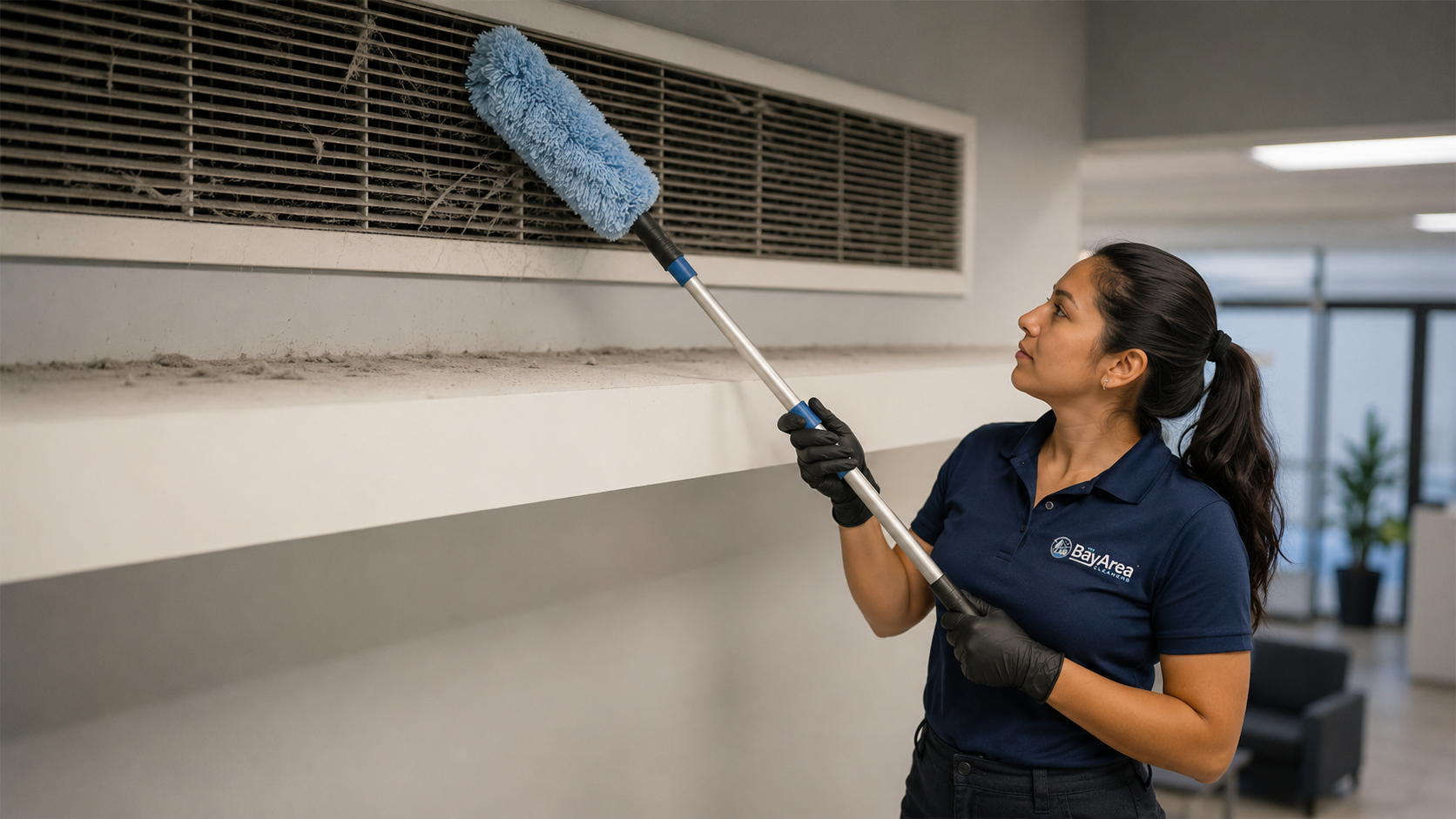
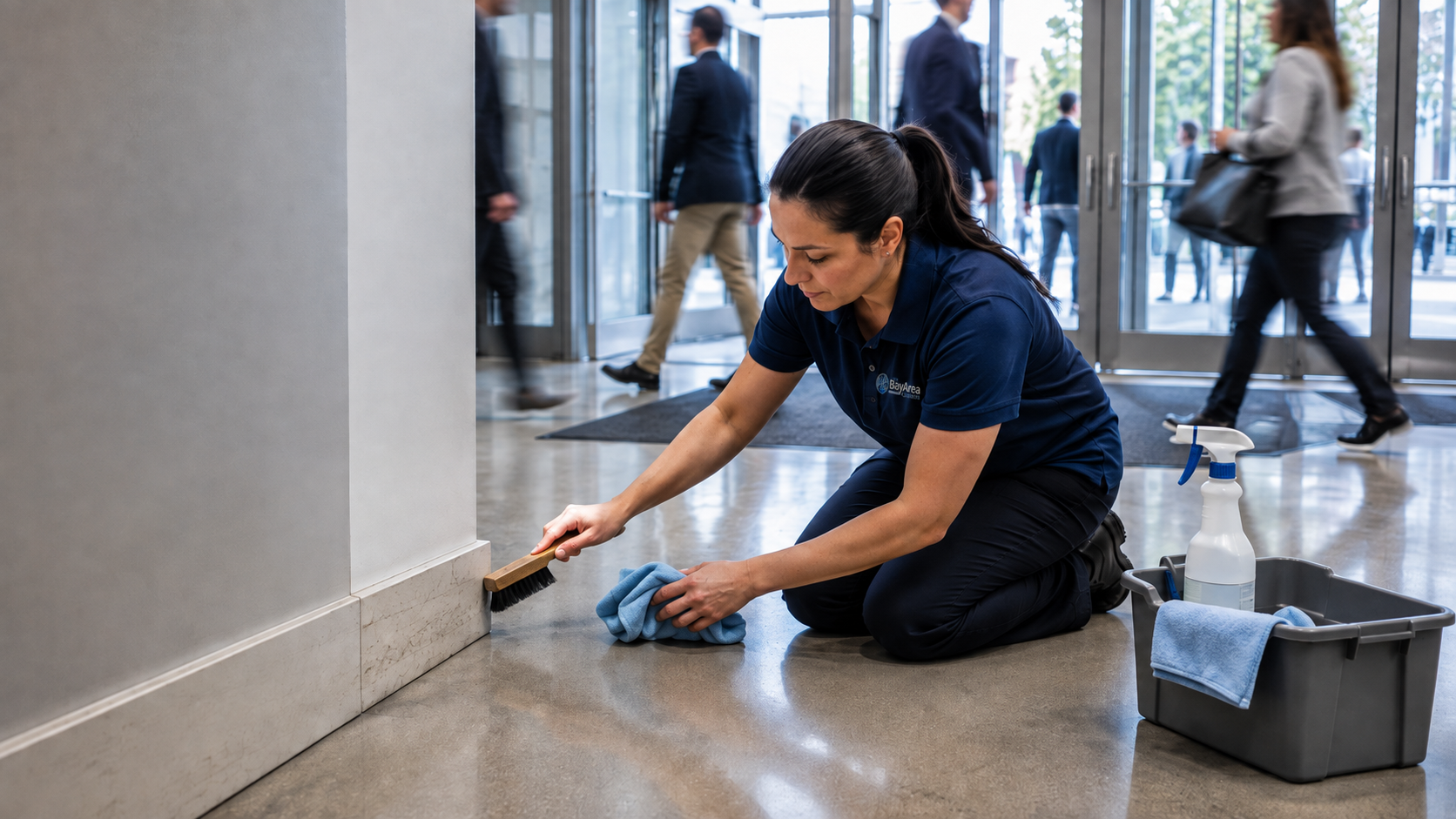
| Air and trim | HVAC return grilles, supply vents, baseboards dusted then wiped |
Grout comes with a caveat. Discoloration that survives a real cleaning has usually crossed from staining into material breakdown, which makes it a repair item rather than a cleaning failure. Know that difference before the walk and it saves an argument.
Baseboards and vents deserve their own mention. Both land among the most flagged items on final inspection, precisely because both are the easiest to skip when a crew is running behind.
Carpet gets its own note too. On any tenancy past a year, carpet usually needs hot-water extraction rather than vacuuming. Budget for it upfront and nobody finds out mid-turn that a vacuum will not cut it.
The fix for all of it is the same: put every item above in writing. Our move-in and move-out cleaning scope names them line by line rather than leaving them open to interpretation, which is what keeps a turn from producing a second visit.
You may also like: How to Clean Carpet: Methods, Costs and When to Call a Pro
One habit worth building. Walk the unit the way a prospect will, not the way a supervisor does.
Open the fridge. Pull out a drawer. Stand in the bathroom doorway and look at the fixtures from four feet back rather than straight down. Most callbacks show up from exactly those angles and stay invisible from a clipboard.
Records close the loop on turnover cleaning the same way they do on the walk-through. Photograph the finished unit before the first showing. That gives the leasing team images while the unit peaks, plus a dated record of the shape it was handed over in. That record settles most disputes about what got done, and it costs five minutes.
A short checklist handed to the crew before they start beats a long one you review after they leave. Crews hit what is written down.
Takeaway: Ovens, fridge interiors, vents, blinds, and baseboards drive most callbacks. Name them in the scope, because anything unnamed turns optional the moment a crew runs late.
Frequently Asked Questions
What is turnover cleaning in an apartment?
Turnover cleaning is the clean you run between residents to bring a vacated apartment back to move-in shape. It happens after repairs and paint finish, and before leasing photos and showings. It covers the full unit interior, including appliance interiors, cabinets, bathrooms, floors, windows, and fixtures. The same job goes by two other names in the industry, make-ready clean and unit turn.
How long does turnover cleaning take?
A standard one-bedroom typically takes four to six hours with a two-person crew, assuming the unit was kept up during the tenancy. Larger floor plans and units with heavy buildup take longer, and some need a deep clean instead. A realistic full make-ready timeline, from move-out walk through first showing, runs about five days.
What is the difference between turnover cleaning and deep cleaning?
A turn resets a unit somebody maintained during the tenancy and brings it back to showing condition. A deep clean tackles buildup that routine cleaning never handled, often across more than one tenancy. Check the oven, the top of the fridge, shower grout, and door tracks on your move-out walk. Buildup in those four means you need a deep clean.
Does turnover cleaning include carpet cleaning?
That depends on your scope, which is exactly why you should confirm it in writing. On tenancies past a year, carpet usually needs hot-water extraction rather than vacuuming alone, and extraction often gets quoted as its own line. Confirm it before the turn and you avoid discovering mid-job that your carpet needs more than the scope covers.
Conclusion
Turnover cleaning is a scheduling problem more than a cleaning problem. Any competent crew can do the work. What costs money is putting it in the wrong slot, scoping it against the wrong unit condition, or leaving items unnamed so they quietly turn optional.
None of the fixes need a bigger crew or a bigger budget. They need decisions made earlier: what the unit needs, when the crew comes, and what the scope actually covers.
Three habits handle most of it. Run the move-out walk on day zero and make the turn-versus-deep-clean call right there. Lock the crew’s slot the same day, before repairs even start. And name the callback-prone items in your scope, because an unnamed item becomes an excluded item the moment a crew falls behind.
If turns run past five days, or the same items keep landing on final walk-throughs, The Bay Area Cleaners works with property managers across offices, multifamily, and commercial buildings from Vallejo to San Mateo. Call 707-656-9339 and we will go through what your turn schedule actually needs.