
Guests are due this evening, but shoes block the entryway, dishes fill the sink, and the bathroom needs attention. Starting a deep-cleaning project now could leave the rooms visitors need unfinished. A speed cleaning checklist helps you choose useful tasks, protect delicate surfaces, and postpone work that needs a separate session. The goal is a usable home, not a promise that every surface has been disinfected. This guide turns the original sprint-cleaning idea into a room-by-room reset with clear priorities, sensible product choices, and stopping points.
The quick version: Use a speed cleaning checklist to clear walking paths, collect clutter, remove obvious waste, wipe suitable kitchen and bathroom surfaces, and clean floors where dirt is noticeable. Begin with rooms visitors or residents need immediately, then move to less-used spaces if time remains. A quick reset does not replace routine cleaning or deep cleaning. Follow the product label and the material manufacturer’s care guidance, and leave unusual stains or damaged surfaces for a separate plan.
What Should You Check Before Starting a Speed Cleaning Checklist?
Before beginning a speed cleaning checklist, decide which rooms need attention and which problems affect everyday use. An entryway obstructed by bags and a kitchen counter covered with crumbs deserve different actions than dusty shelving in an unused room. A short walkthrough keeps the list realistic.
Walk through the home with a limited goal
Start with a clear purpose, such as preparing shared rooms for visitors or restoring a usable kitchen after a busy day. Look for issues that will still be noticeable when the session ends. A quick house cleaning checklist works better when every item describes a specific result rather than a vague instruction to clean everything.
Use this diagnostic list before touching any products:
- Clear blocked doorways and paths first so people can move safely between rooms.
- Identify dishes, food waste, and spills that affect normal kitchen use.
- Note bathroom fixtures and counters with visible residue or overflowing trash.
- Mark high-traffic floors that need sweeping or vacuuming, without assuming every floor needs mopping.
- Separate fragile objects, confidential paperwork, and electronics that require careful handling.
Returning a jacket is organizing. Removing crumbs is cleaning. Neither requires disinfecting every surface. The CDC guidance for cleaning your home explains that regular cleaning usually addresses everyday dirt and that disinfection is more relevant under particular health conditions.
Set boundaries before the work grows
Avoid opening storage bins, reorganizing closets, or tackling longstanding buildup during a short session. Such projects create additional decisions and can interrupt the visible reset. Place objects needing later attention in a designated spot, provided it does not obstruct a walkway or conceal an urgent hazard. Before moving belongings, check whether they contain papers, medications, or equipment that residents need immediately and keep those items accessible. Keep cleaning materials separate from food and household personal items.
When a room is clean enough for its intended use, move on. Use your list to mark completed tasks and record unfinished work.
Takeaway: Inspect first, choose a few visible outcomes, and separate ordinary tidying from surface cleaning. Leave slow or specialized projects outside the current session.
Which Tasks Belong in a Quick House Cleaning Checklist?
A quick house cleaning checklist should prioritize tasks that restore function and remove common soil without demanding a deep-cleaning project. A speed cleaning checklist with a room-by-room sequence is easier to follow than moving randomly between floors. Priorities depend on access, soil, and time.
Compare immediate work with separate projects
The following table answers which tasks belong in a fast reset and which deserve another session. These are editorial priorities, not a required cleaning frequency or a promised completion time.
| Area | Quick reset priority | Leave for a separate session |
| Entryway | Put away loose items and remove visible tracked-in dirt | Move heavy furniture or treat difficult flooring damage |
| Kitchen | Clear dishes, collect food waste, and wipe suitable exposed counters | Empty every cabinet or remove stubborn appliance buildup |
| Bathroom | Empty waste, clean accessible fixtures, and check obvious residue | Repair leaks, remove damaged sealant, or address persistent mold |
| Living area | Return everyday objects and remove visible dust from safe surfaces | Wash large upholstery items or rearrange storage |
| Bedrooms | Clear accessible floor space and gather misplaced clothing | Sort entire wardrobes or move bulky furniture |
Set a stopping condition for every room. For example, a kitchen pass can finish once accessible counters are free of ordinary crumbs and spills. Leave drawers and appliance interiors for later.
For glass, mirrors, carpets, and screens, follow material care instructions. Surface sprays are not interchangeable, and fragrance does not correct an underlying odor problem.
Match the task to the household
If a family is still cooking, the kitchen may need a second simple wipe later rather than a complete shutdown. If young children use the living room, focus on clearing toys and maintaining open pathways before polishing low-use furniture. When visitors are expected, the entrance and guest bathroom may reasonably take priority over a private storage room.
Quick house cleaning tips are most helpful when they describe the tradeoff openly: cleaning a frequently used sink is often more useful than polishing a decorative shelf. Neither task is universally more important. Choose according to actual use, soil, and who needs the space next.
Takeaway: Prioritize accessible surfaces and rooms people will use soon. Keep appliance interiors, repairs, and major reorganization outside the short reset unless they pose an immediate concern.
How Do You Follow a Speed Cleaning Checklist Room by Room?
Follow a speed cleaning checklist in a consistent order: prepare tools, clear clutter, remove waste, clean appropriate surfaces, and finish with exposed floors. The sequence reduces repeated handling, but product directions and surface restrictions always take priority. Do not treat these steps as a fixed number of minutes for every home.
Use a practical sequence
A simple speed cleaning checklist can help household members divide work without crowding the same room. Assign tasks according to ability and access. Keep cleaning products secured and have an adult handle products when children are present.
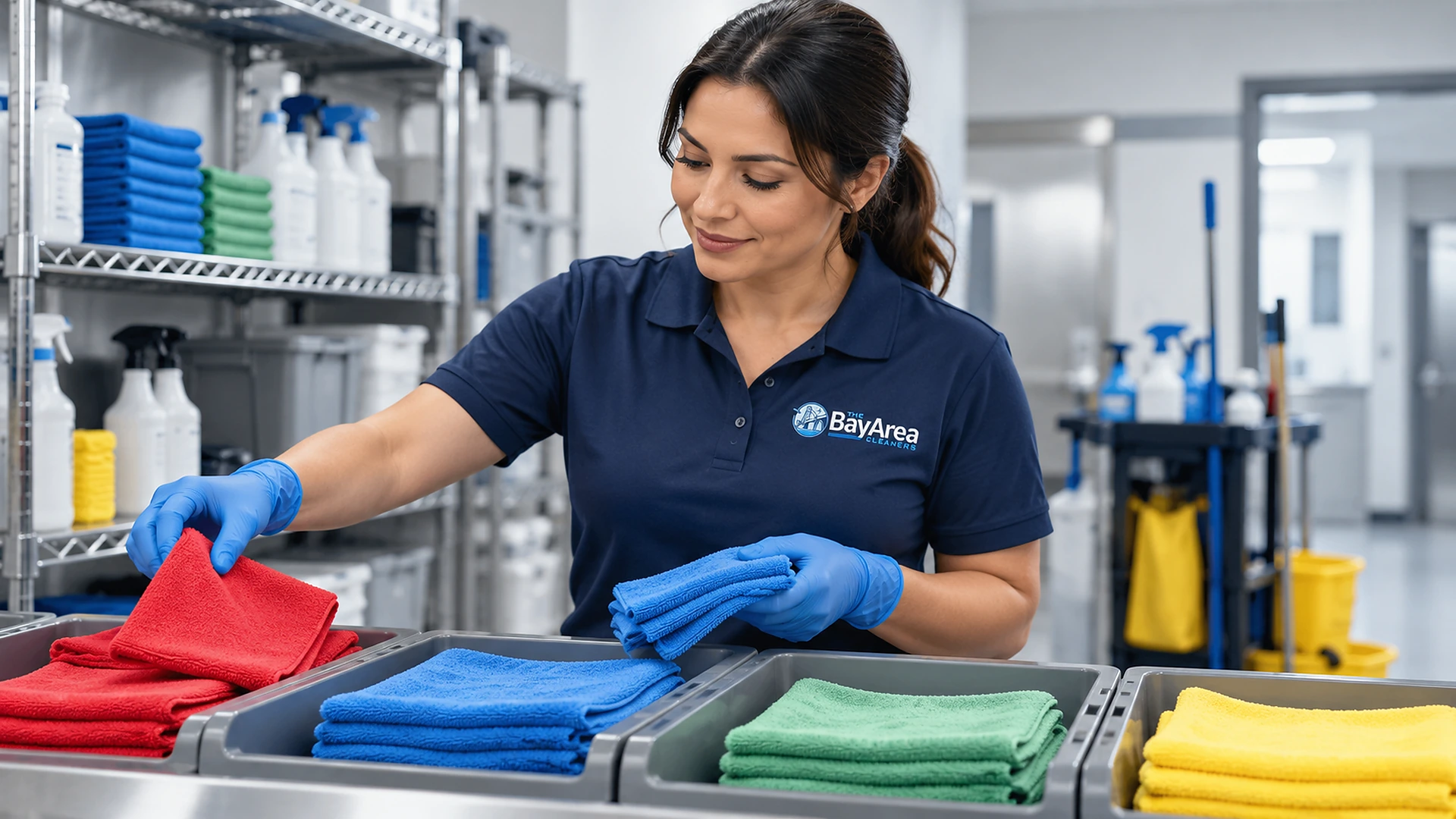
- Bring a small set of suitable materials to the work area, such as microfiber cloths, a vacuum, waste bags, and a cleaner approved for the intended surfaces.
- Put away loose personal items, keeping important documents and small valuables where their owners can find them.
- Collect ordinary waste and remove food remnants before wiping nearby counters or tables.
- Clean visibly soiled hard surfaces using the product label and the surface manufacturer’s instructions, then use a fresh cloth when moving between unrelated areas.
- Address bathroom fixtures separately from food-preparation surfaces, with distinct cloths or tools and without transferring used materials between rooms.
- Vacuum or sweep accessible floors after nearby surfaces, then check walking paths and stop when the selected tasks are complete.
This order does not override care instructions for appliances, wood finishes, natural stone, electronic screens, or cleaning products. Leave unfamiliar surfaces alone until you confirm an appropriate method. A speed cleaning checklist helps organize tasks, but surface-specific directions still come first.
Keep routine cleaning different from disinfection
For ordinary household care, the CDC cleaning and disinfecting guidance explains that soap or detergent and water can remove most germs on surfaces in many situations. If someone is sick, additional measures may be appropriate under that guidance. Follow the EPA guidance on disinfectant labels whenever a registered disinfectant is required. Never combine cleaning chemicals, and keep products secured after use.
Cleaning methods depend on the room. Kitchen counters, bathroom sinks, and electronics need different care. Follow their specific instructions.
A quick cleaning checklist should be easy to pause and restart. If interruptions occur, complete the current safe task, put materials away, and mark the next room. Leaving open containers or damp supplies in walking paths creates more work and can introduce avoidable risks.
Takeaway: Follow one room-by-room sequence, use products only as directed, and stop when the selected outcomes are achieved. Routine cleaning and specialized treatment remain separate decisions.
How Can You Adjust a Quick Cleaning Checklist to Different Rooms?
A quick cleaning checklist must change with floor materials, room functions, and available access. The same method may be suitable for a washable laminate counter and unsuitable for an untreated wood finish. Start with the manufacturer’s recommendations and avoid strong assumptions about unfamiliar materials.
Choose methods from the surface, not the clock
This table answers how to adapt the work when the material or room changes. It offers decision criteria rather than universal chemical instructions.
| Surface or condition | Suitable initial action | Limitation or next decision |
| Washable kitchen counter | Remove debris and use an approved cleaner | Follow food-contact and finish directions |
| Finished wood furniture | Dust gently using the maker’s care advice | Avoid excess moisture or unapproved sprays |
| Carpet and area rugs | Vacuum reachable loose soil | Refer deep stains or persistent odors for assessment |
| Tile or sealed hard floor | Remove grit and use material-compatible tools | Do not assume every stone or grout finish tolerates one product |
| Screens and electronic controls | Consult device care instructions before wiping | Never spray liquids directly unless instructions permit it |
A speed cleaning checklist should not set a universal quantity of cleaner, drying interval, or scrubbing pressure. Those decisions depend on the product and finish. If a label conflicts with an informal online tip, follow the product directions and the equipment or surface guidance instead.
Protect rooms that need different handling
Bathrooms and kitchens share the need for visible soil removal, but the tools used on a toilet should remain separate from food-preparation areas. A home office may include paper files, power cords, or computer components that owners should move themselves. Bedrooms may need a simple floor reset rather than access to personal drawers.
Quick house cleaning tips can be adapted for a household with pets or children by putting away toys, checking accessible floor debris, and securing supplies after use. Do not leave chemicals where children or animals can reach them. When an unknown spill, strong odor, damaged material, or suspected contamination is present, stop and obtain an appropriate assessment rather than extending the quick session.
A small apartment and a larger house need different room priorities. Choose according to actual use and visible conditions, not square footage alone.
Takeaway: Choose methods from material care instructions and room function. A smaller task completed safely is preferable to an aggressive treatment that damages a surface.
How Can You Make Quick House Cleaning Tips Easier to Repeat?
Quick house cleaning tips and a quick cleaning checklist work best when the next session starts with fewer obstacles. Maintain predictable storage for basic items, return frequently used belongings to their places, and track tasks that require more than a brief reset. A checklist works best as a reusable decision aid, not a demand for constant cleaning.
Check the finished rooms without restarting everything
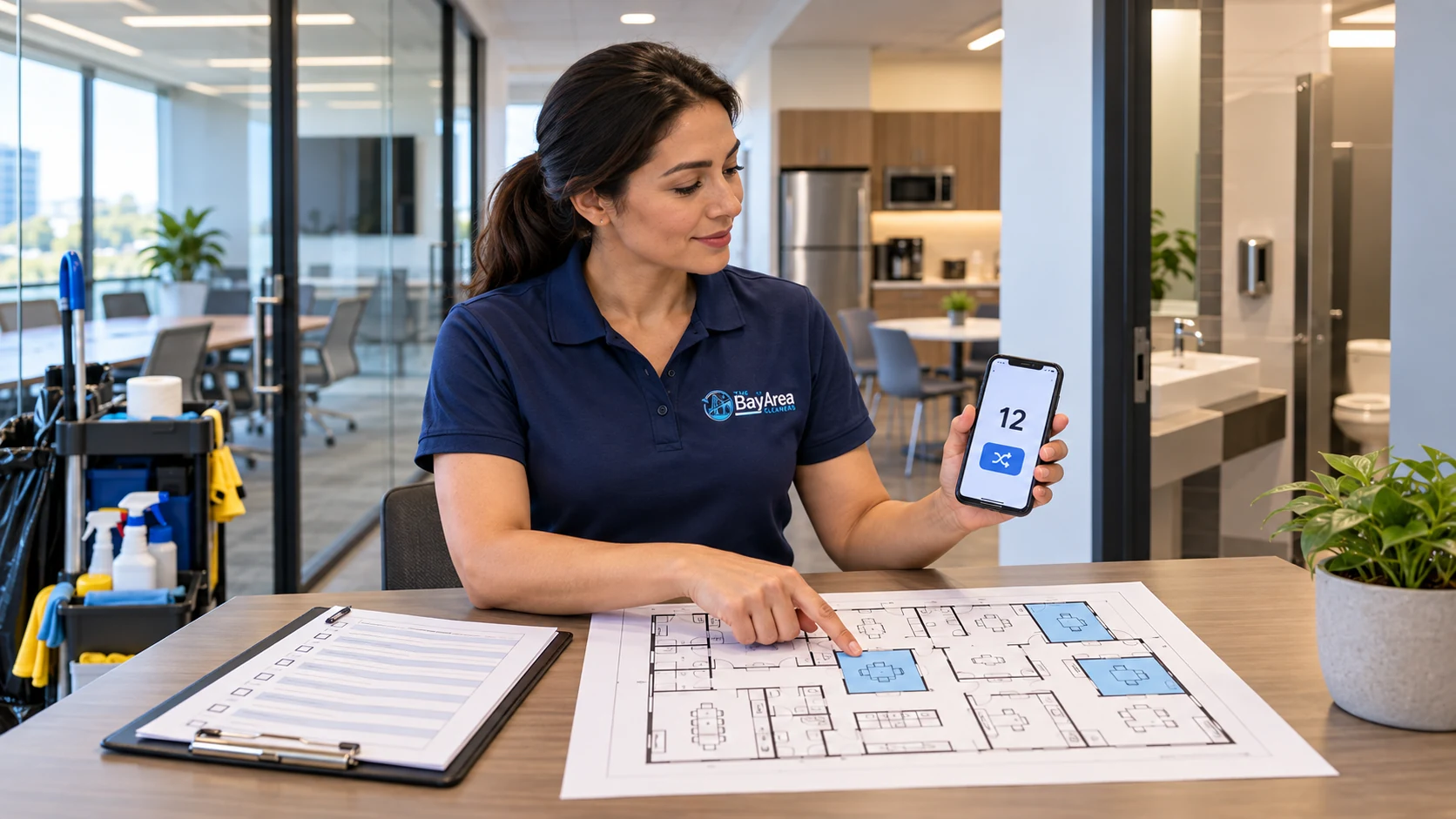
Before closing the session, check the speed cleaning checklist and walk through the selected rooms. Use the brief checklist below. Its purpose is to confirm ordinary usability and identify deferred work, not to score a household against an invented professional standard.
- Walkways are accessible, and commonly used doors can open without loose objects blocking them.
- Kitchen work surfaces selected for the session are free from obvious food scraps and ordinary spills.
- The chosen bathroom fixtures have received the appropriate simple cleaning and waste removal.
- Visible dirt on accessible high-traffic flooring has been addressed with suitable tools.
- Used cloths, waste bags, and cleaning products have been stored or disposed of according to their directions.
- Remaining repairs, extensive stains, and lengthy organization tasks are noted for later rather than hidden.
When something still looks untidy, decide whether the issue is remaining soil, personal belongings, worn material, or damage. Repeating a cleaning pass cannot fix chipped flooring or a broken seal. A written follow-up note keeps the next step separate and avoids unnecessary repeated effort.
Build a routine that fits real life
A speed cleaning checklist need not become a daily full-house assignment. Some families prefer a short reset before visitors. Others use it after a busy workweek or ahead of a scheduled routine cleaning. The better routine is the one that matches how rooms are used and can be repeated without displacing other important activities.
In a shared household, agree who returns belongings, handles waste, and requests help for larger projects. Keep responsibilities appropriate to each person.
Takeaway: Check only the rooms included in the session, record unfinished projects separately, and make the next reset easier through accessible storage and clear household responsibilities.
When Is a Speed Cleaning Checklist Not Enough?
A speed cleaning checklist is not enough when the problem needs a detailed cleaning method, equipment, repairs, or professional assessment. Persistent staining, damaged finishes, difficult-to-reach windows, and ongoing leaks are different from everyday crumbs and clutter. Extending a quick session may not address the underlying cause.
Decide whether to continue or request help
Some tasks are better reserved for a planned session or a provider who can first confirm the scope. Consider the following escalation choices before attempting unfamiliar procedures:
- For ordinary clutter and accessible soil, complete the selected reset with suitable household tools.
- For extensive buildup in a kitchen or bathroom, plan a separate cleaning project with realistic access and product checks.
- For sensitive furniture, delicate stone, or specialist flooring, check manufacturer guidance or request a qualified assessment.
- For leaks, deterioration, or suspected contamination, address the underlying issue before treating surface appearance.
- For recurring household cleaning needs, request a written service scope identifying rooms, included tasks, and exclusions.
The Bay Area Cleaners publishes a Residential Cleaning page covering bathrooms, hallways, kitchens, home offices, and windows. Confirm coverage, current availability, and pricing directly.
A quick house cleaning checklist is useful even when professional assistance is appropriate. It helps the resident describe the areas that need attention and identify sensitive surfaces before the visit. However, it cannot replace a written estimate, a product compatibility decision, or a repair inspection.
The residential service page mentions one-time deep cleaning, but it does not list every surface, stain, or project that might be included. Ask whether your requested work is part of that service and what needs a separate quote. A webpage is a starting point for a scope discussion, not a complete agreement.
Takeaway: Use the quick plan for accessible routine tasks and request a defined scope for larger work. Confirm residential availability and exclusions before scheduling assistance.
Frequently Asked Questions
What should a speed cleaning checklist include first?
A speed cleaning checklist should start with accessible paths, loose clutter, obvious waste, and the rooms people need soon. Next, clean appropriate exposed surfaces and address high-traffic floors where soil is visible. Keep deep stains, storage reorganization, and repairs separate. The right order depends on the household and on instructions for each material.
Is a quick house cleaning checklist the same as deep cleaning?
No. A quick house cleaning checklist is a short set of practical tasks for restoring everyday use and appearance. Deep cleaning may involve more extensive buildup, additional access, and methods suited to particular materials. A fast reset should not promise results from equipment or products it does not use. Discuss exclusions before booking professional work.
Can I follow a quick cleaning checklist before visitors arrive?
Yes, provided the tasks match the available time and the household’s immediate needs. Begin with the entrance, shared seating, a usable bathroom, and the kitchen surfaces visitors may encounter. Treat this as a priority plan rather than a fixed timetable. Skip unfamiliar chemical treatments and leave fragile or obstructed areas for later.
Which quick house cleaning tips help avoid damage?
The most useful quick house cleaning tips are to check surface care directions, use appropriate tools, and avoid adding liquid to unfamiliar materials or electronics. Keep bathroom tools separate from kitchen tools. Do not improvise chemical mixtures. When a stain persists or a finish appears damaged, stop and arrange another method or an assessment.
When should I ask for professional residential cleaning?
Consider asking for professional help when the task is larger than a routine reset, involves extensive buildup, or needs special attention to several rooms. Request an itemized description of included work, product considerations, access requirements, and scheduling. Confirm residential coverage directly with the provider. A published service page does not guarantee a specific appointment.
Conclusion
A speed cleaning checklist works when it makes the next action clear: choose the rooms that matter, remove everyday soil with compatible methods, and stop before a quick reset becomes an unplanned deep-cleaning job. The result should be a home that is easier to use, with remaining projects identified rather than concealed. For a larger residential project, review The Bay Area Cleaners’ published service scope and ask whether your address and requested tasks are covered. Contact the team at 707-656-9339 to confirm residential availability and request an estimate before booking.